My Arctic expedition training starts
- Kathryn Brice
- Jan 13
- 3 min read

Updated: Jan 13
In March 2027 I will be heading to the Arctic Circle to snowshoe hut to hut pulling my own sled. This will be an epic adventure and I want to share my training ups and downs with you. I’ll be sharing monthly training updates, kit tests, routes, mindset, and what I’m learning along the way.
Embarking on an Arctic expedition is no small feat. The extreme cold, unpredictable weather, and challenging terrain demand serious preparation. I’m gearing up for my 2027 Arctic adventure, and I want to share how I’m training to meet these challenges head-on. If you’re new to tough outdoor challenges or love hiking and adventure, this journey might inspire your own goals.

Building strength and endurance in the gym
My training will start with gym sessions including Hyrox, hill walking on the Malverns and some long distance walking practice. Hyrox is a fitness competition combining running with functional workouts like rowing, sled pushes, and wall balls. It’s perfect for building the kind of full-body strength and stamina I’ll need in the Arctic. These sessions push my limits and improve my cardiovascular fitness, which is crucial when hauling gear through snow and ice.
I focus on exercises that mimic the physical demands of the expedition. For example, sled pushes in Hyrox simulate pulling a heavy sled across icy terrain. Weight training builds muscle endurance, while high-intensity intervals improve my ability to recover quickly during tough days.
Hill walking on the Malverns
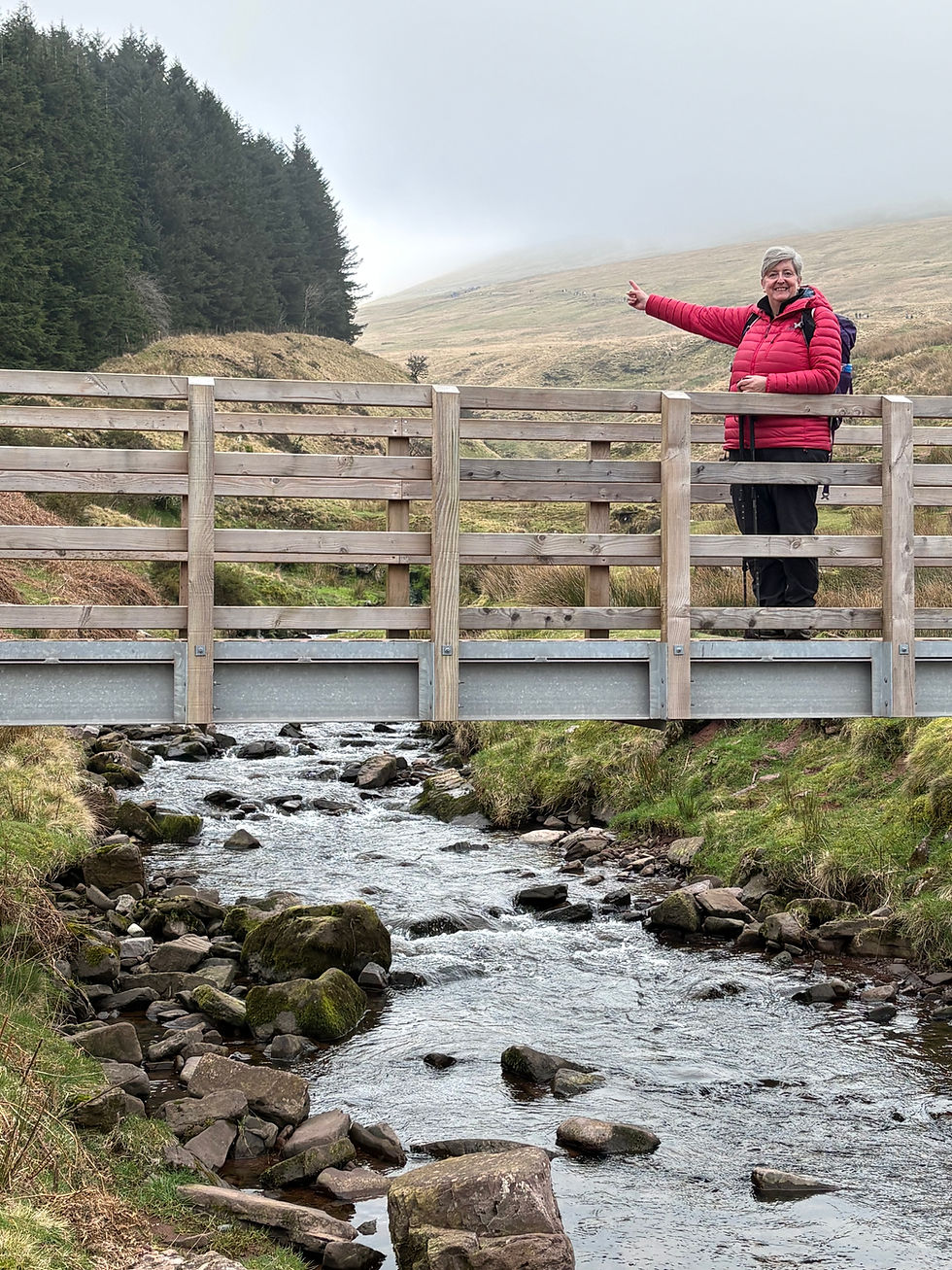
The Malvern Hills offer a perfect training ground for my expedition. My training will start with hill walking on the Malverns and progressing to long distance walking practice. The hills provide varied terrain and elevation changes that prepare me for uneven Arctic surfaces. Walking here strengthens my legs and improves balance, both essential for navigating icy slopes.
I will start to carry a weighted backpack to simulate the load I’ll carry during the expedition. This will help my body adapt to the extra weight and will build endurance. The fresh air and changing weather conditions also help me get used to outdoor challenges.
Practicing long distance walking
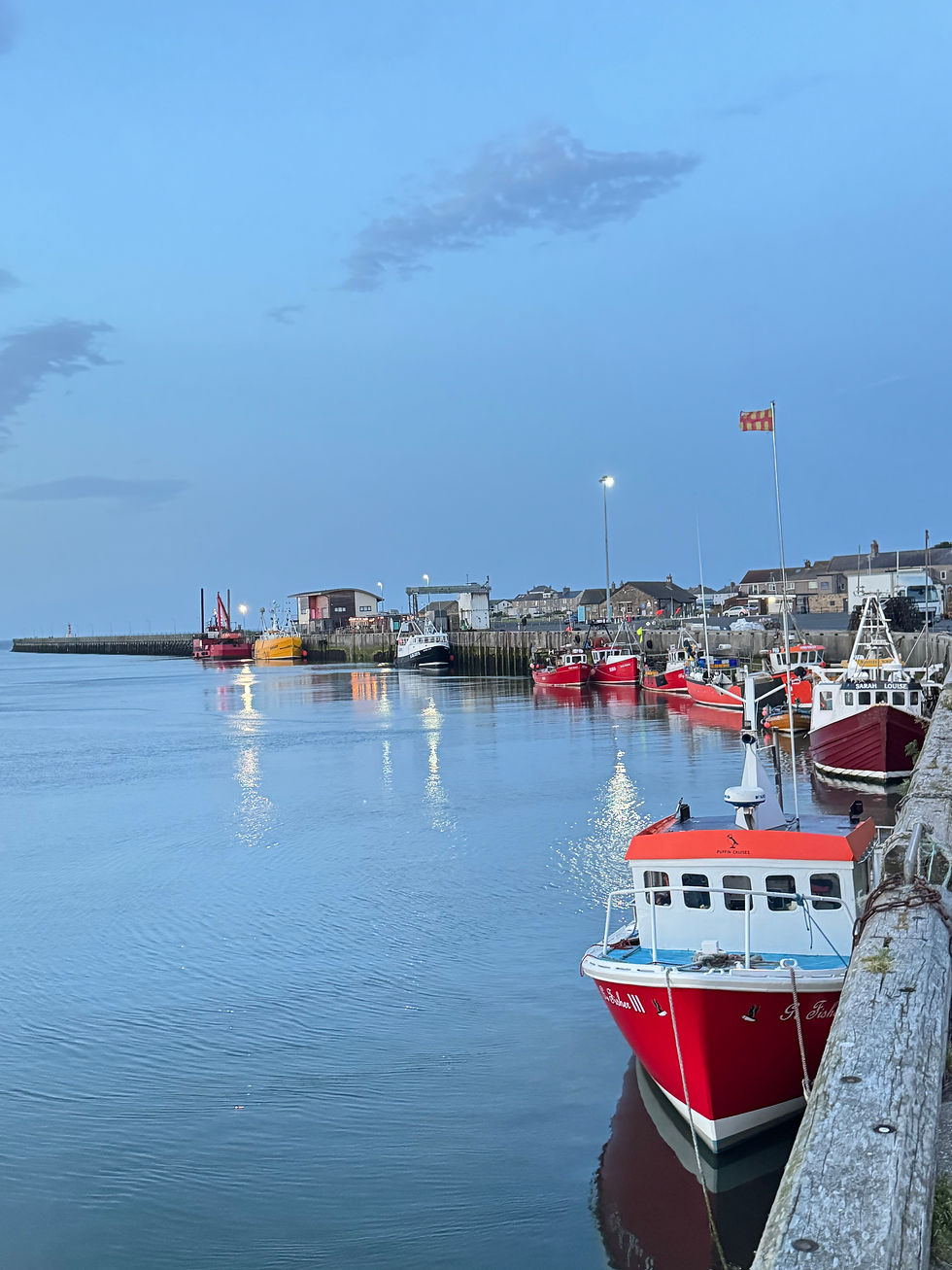
Long distance walking practice is a key part of my preparation. Covering many miles on foot builds stamina and mental toughness. I plan routes that take several hours, gradually increasing distance and difficulty. I have challenges planned in 2026, two multi day coastal hikes in Northumberland and Anglesey.
These walks will teach me how to pace myself and manage energy over long periods. I also practice navigation skills and test my gear to ensure everything works well in real conditions. Staying comfortable and injury-free during long walks is vital for success in the Arctic.
Staying motivated and focused
Training for an Arctic expedition can be tough, but I keep my motivation high by setting clear goals and tracking progress. I remind myself why I started: the thrill of adventure, the challenge of nature, and the chance to push my limits. Sharing my journey with others also helps me stay accountable.
I listen to my body and adjust training when needed to avoid burnout or injury. Rest days and proper nutrition are part of the plan. This balanced approach keeps me strong and ready for the expedition ahead.
Want support with your own challenge or reset?
Book a 1:1 coaching session or join a Walk & Talk.

Comments